Risk, Safety, & Resilience

[March 10] Prepare for the 2026 Annual Tornado Drill

George Mason University will conduct its Annual Tornado Drill on Tuesday, March 10, at 9:45 a.m. As part of this exercise, a notification will be distributed through Mason Alert by email and text message. This drill gives the university community an opportunity to practice tornado and severe weather response procedures.

Severe weather events, like tornados, present a recurring and potentially significant risk to university operations, personnel, students, and property. In the Northern Virginia region, hazardous weather most frequently occurs between April and October, though it can develop at any time of year. These events can intensify quickly and may require immediate protective action. Preparation ahead of time helps reduce risk, protect life and property, and support continuity of operations.

The purpose of the drill is to reinforce protective actions and strengthen campus-wide readiness. During a tornado warning, individuals should move indoors to the nearest hardened structure, use stairs to reach the lowest level, and avoid elevators. Shelter in an interior space with few or no windows and remain there until the warning has expired. Reviewing these steps in advance supports faster and more confident decision-making during an actual emergency.

The Risk, Safety and Resilience Tornado and Severe Weather Guide provides detailed information about severe weather terminology, including the difference between watches and warnings, as well as response procedures and shelter guidance. The guide also outlines lightning safety protocols, contingency planning considerations, and preparedness recommendations for both campus and home.

To ensure you receive the drill notification, confirm that your Mason Alert preferences are current and that text message alerts are enabled. Mason Alert is the primary method used to communicate urgent weather information as well as other emergency situations to the university community.

Preparedness is a shared responsibility. Your participation in the Annual Tornado Drill helps strengthen our collective readiness and supports a safer campus environment.

Meet the Mason Nation: Gregg Black

If you are not automatically redirected, please click here to view this article on The George.

Laboratory Safety Awareness Week: Battery Safety

February 9–13 is Lab Safety Awareness Week, a time to highlight our shared commitment to maintaining safe research and teaching laboratories across campus. The week focuses on university laboratory safety initiatives and on preventing lab accidents and incidents through awareness, training, and good safety practices.

This year, Environmental Health and Safety (EHS) is emphasizing battery safety. EHS has created this one-page resource with practical tips for working safely with batteries on campus, as well as an overview of our new Battery Guide. The guide outlines university policies and expectations for working with batteries in both research and teaching spaces and is intended to support safe, consistent battery use across laboratories.

In addition, EHS has recently published a 3D Printing Guide, which applies to all 3D printing activities on campus. These and other safety guides can be found on the EHS website.

We encourage you to review these resources, share them with your research teams and students, and take this opportunity during Lab Safety Awareness Week to reinforce safe laboratory practices.

RSR Celebrates Healthy Heart Month with Employee Health & Well-Being Events

Join the RSR Employee Health and Well-Being (EHW) this February for several health and well-being events in observance of Healthy Heart Month.

Complementary Blood Pressure, Cholesterol, & Glucose Screenings

Join EHW for complimentary blood pressure, cholesterol, and glucose checks this February (10th or 26th). Registration is required.
Dates: February 10 & 26
Time: 10 to 11:30 a.m.
Location: Population Health Center

Presentation & Q&A: A Heart to Heart about the Mediterranean Diet: Heart-smart eating at work and home

Join EHW this February for a special presentation by Courtney O’Laughlin, George Mason’s campus dietitian. Courtney will present and answer questions on the popular Mediterranean diet as it applies to heart health.
Date: February 26
Time: 1 to 2 p.m.
Location: Population Health Center

TimelyCare Now Available to Faculty and Staff

Risk, Safety, and Resilience’s Employee Health & Well-Being division is proud to share that TimelyCare is now available to all faculty and staff at George Mason University. TimelyCare is a virtual mental health and well-being platform that provides support and care services you can access online, available 24/7. It is offered as a benefit through George Mason University to support the well-being of both full-time and part-time employees.

University life can be as stressful for faculty and staff as it is for students. Teaching, research, administration and the many responsibilities that come with working at a large university like George Mason can be demanding. Having confidential access to mental health support helps create a healthier supportive workplace.

Your TimelyCare benefits include:

  • TalkNow, a 24/7/265 emotional support line. This offers quick access to a trained mental health professional, typically in under five minutes.
  • Up to 12 free scheduled counseling sessions per academic year. These sessions are completely confidential and typically an hour long. Your privacy is protected under HIPAA, just like any other medical provider.
  • Health coaching to help build healthy habits in areas like sleep, nutrition, time management and more.
  • Self-guided resources and peer support available 24/7/365.
  • Free, confidential care that doesn’t require you to have insurance.
  • Accessible care in different languages including American Sign Language.

Here’s how to get started:

  1. Go to timelycare.com/gmu or download the TimelyCare app (App Store (iOS) or Google Play (Android).
  2. Sign up using your George Mason University email address.
  3. Select Faculty/Staff to start sessions immediately, or schedule a future visit through the app.

You can access support from the comfort of your home, office, or anywhere. No need to worry about paperwork or insurance complications.

If you haven’t already, take a moment to register and see how TimelyCare can work for you. It’s one small step towards making a big difference for your mental health and well-being.

Electrical Safety Tips

This June, in recognition of National Safety Month, Risk Safety, and Resilience (RSR) reminds the George Mason community about the importance of electrical safety. By staying informed and practicing safe habits, we can reduce the risk of electrical accidents.

Electrical malfunctions are a leading cause of workplace fires. Common issues like overloaded outlets, damaged power cords, and misuse of extension cords can create hazardous situations. By following a few simple tips, we can help prevent electrical accidents:

General Electrical Safety Tips:

How to Prevent Overloaded Circuits at Your HomeAvoid Overloading Circuits

Plugging multiple appliances into a single outlet can lead to overheating and potential fire.


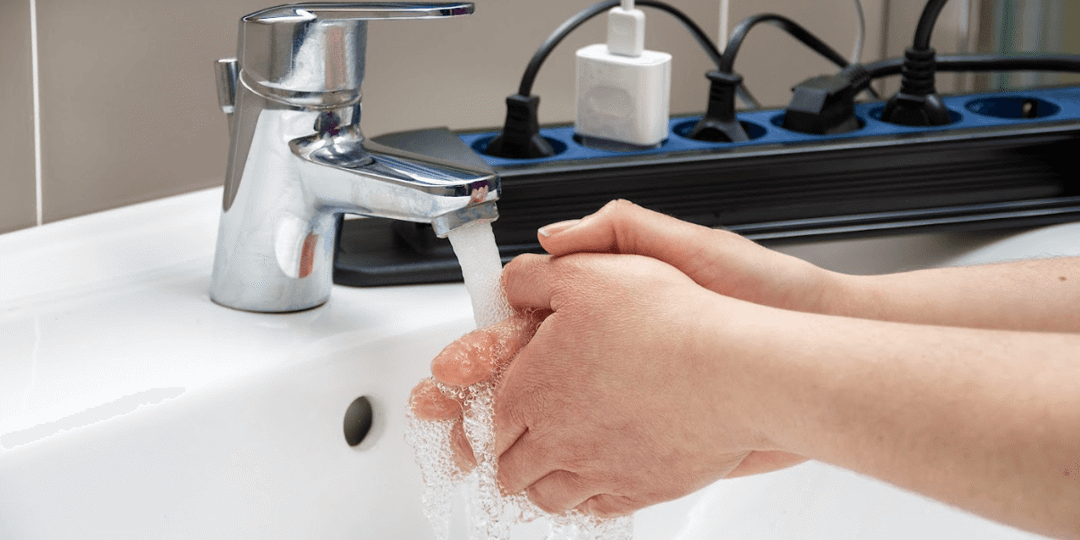
Electrical Safety Around Water – Hazards and Safety Tips

Operate electric-powered devices in dry conditions

Avoid using electrical devices in wet or damp environments.


Where to Install Electrical Outlet for Gas Stove? | Finnley ElectricalPower Major Appliances Safely

Plug major appliances into wall outlets and avoid using extension cords with them.


Electrical Safety in your Home » Powered Electrical and DataPerform Regular Inspections

Check cords and outlets for damage and wear. Replace any frayed cords immediately.


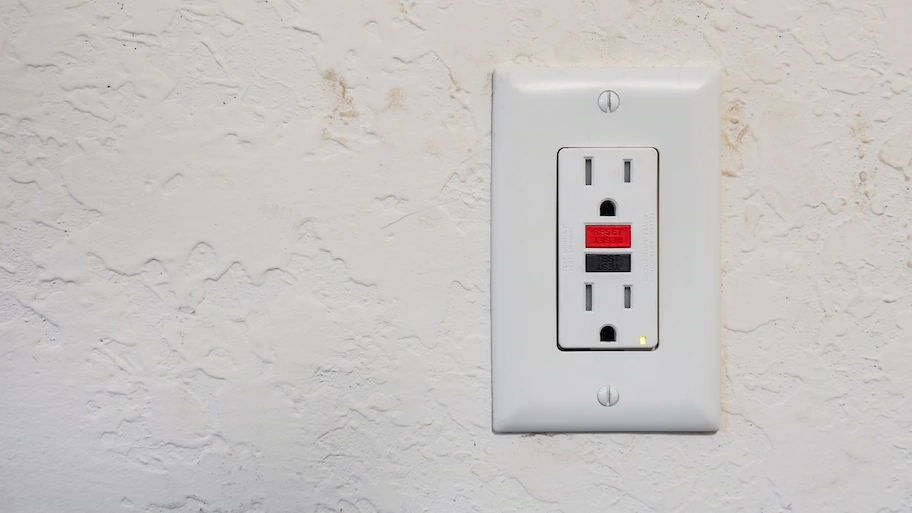
How Do GFCI Outlets Work & What Causes A GFCI to Trip?Safety Devices

Ground Fault Circuit Interrupters (GFCIs) and Arc Fault Circuit Interrupters (AFCIs) can prevent electrical fires by shutting off power when a hazard is detected.


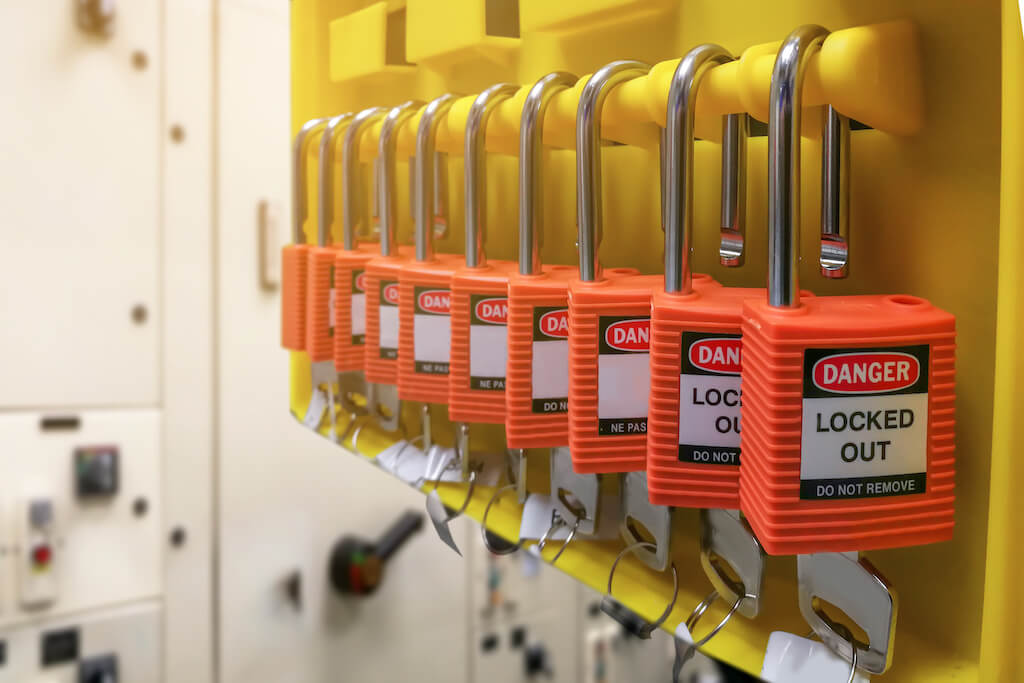
De-Energize - SafeRack's GlossarySafe Work Practices

De-energize equipment before maintenance and use appropriate personal protective equipment.


Is Your Electrical Outlet Hot? Here's What It MeansCheck for Warning Signs

Unusually warm outlets indicate unsafe wiring that needs inspection. Never connect plugs that have broken, bent, or missing prongs.


Working or Studying from Home?

Stay Safe with These Tips:

  1. Unplug appliances when not in use to save energy and minimize the risk of shock and fire.
  2. Make sure cords do not become tripping hazards.
  3. Keep papers and other potential combustibles three feet away from heat sources.

Electrical safety is everyone’s responsibility. Let’s use National Safety Month as a reminder to stay alert and informed. Protect yourself and the George Mason community by staying smart about electricity.

Resources: Electrical Safety Guide

May is Mental Health Awareness Month

Risk, Safety, and Resilience understands the vital role mental health plays in overall well-being and academic and career success. During Mental Health Awareness Month this May, we are shining a spotlight on the wide range of resources available to support our community. We encourage you to explore and take advantage of the programs and services designed to help you thrive both personally, professionally, and academically.

For Students

Counseling and Psychological Services

(caps.gmu.edu)

George Mason’s Counseling and Psychological Services (CAPS) department offers a wide range of  mental health resources, including both in-person and virtual (telehealth) services. Visit CAPS in the Student Union Building 1 (SUB 1), Suite 3129 or call 703-993-2380 for more information.

CAPS collaborates with ProtoCall Services to offer after-hour crisis support to students. When CAPS is closed, students should call 703-993-2390 and press “1” to be connected directly to a ProtoCall crisis counselor.

Services Include:

  • Individual counseling: Students can engage in therapy to address personal, academic, or emotional challenges.
  • Group Counseling: CAPS offers group therapy sessions in a supportive environment for students to share and develop coping strategies.
  • Psychiatric Services: With the help of a board-certified psychiatrist and psychiatric nurse practitioner, students can receive treatment and medication if appropriate.
  • Referrals: For students needing specialized care beyond CAPS, clinicians can help you connect to community providers.

Student Health Services

(https://shs.gmu.edu/services/mentalhealth/)

Student Health Services (SHS) provides evaluation, screening and referrals for mental health concerns. Call 703-993-2831 to schedule an appointment at your convenience.

Services Include:

  • SBIRT Program: The Screening, Brief Intervention, and Referral to Treatment (SBIRT) program is a universal screening initiative that assesses students for alcohol, drug, tobacco use, and depression. Based on screening results, students receive appropriate counseling, consultation, or referral.
  • Collaborative Care: Integrates mental health support into primary care settings, allowing for coordinated care that combines medical and psychological services.

TimelyCare

(https://ulife.gmu.edu/timely-care/)

George Mason University has partnered with TimelyCare to provide students with free, 24/7 virtual mental health support. Students can register using their George Mason email address for year-round support.

Services Include:

  • TalkNow: Immediate emotional support for a wide range of issues including anxiety, depression, relationships, academic stress.
  • Health Coaching: Support in developing healthy lifestyle habits including nutrition, sleep habits, time management and mindfulness.
  • Scheduled Counseling: Up to 12 free counseling sessions per year with licensed professionals, allowing students to choose a provider and session time that works for them.
  • Psychiatry: Access to psychiatric services through referrals by CAPS, Student Health Services, or a TimelyCare counselor.
  • Self-Care Content: A variety of resources such as yoga, meditation, and group discussions to promote well-being.

For Faculty and Staff

Employee Assistance Program

(https://hr.gmu.edu/benefits/insurance-and-benefits/employee-assistance-programs/)

The Employee Assistance Program (EAP) is available to support the well-being of George Mason’s faculty and staff. Employees can access EAP services by contacting the Human Resources department by email [email protected] or 703-993-2600.

Services Include:

  • Employee Assistance Program (EAP): Includes up to four free sessions for services such as mental health, alcohol or drug abuse assessment, child or elder care, grief counseling and legal or financial services.
  • Referral Services: For issues requiring specialized care, EAP counselors can provide referrals to appropriate professionals or services.

Support for Anyone

Center for Community Mental Health

(https://ccmh.gmu.edu/)

The Center for Community Mental Health (CCMH) at George Mason University is a multidisciplinary training clinic that provides accessible health services to the Northern Virginia community. They are located off-campus at 9900 Main Street in Fairfax. Email to make an appointment at [email protected] or call 703-993-1370.

Services Include:

  • Therapy and Psychological Testing: CCMH offers individual and group therapy sessions, as well as psychological assessments.
  • Emotional Support Line: This free, anonymous, and confidential service provides immediate support for stress, anxiety, depression, grief, and more. This line is available in Spanish and English.


Crisis Resources

Crisis Hotlines

  • Suicide and Crisis Hotline
    Free and confidential support for people in distress
    988
    Online Crisis Chat
  • Veterans Crisis Line
    800-273-8255
  • Mason Sexual and Intimate Partner Violence Crisis Line
    24-hour crisis support resources
    703-380-1434
  • Crisis Text Line
    Serves anyone, in any type of crisis, providing access to free, 24/7 support and information
    Text 741-741
  • Crisis Line
    24-hour suicide, crisis, and information and referral hotline
    703-527-4077
  • Non-Emergency Contact
    Counseling and Psychological Services
    703-993-2380

    Student and Support and Advocacy Center
    703-993-3686

Clear the Air(way): Flu, COVID, RSV, and Pneumonia Vaccine Clinic November 12

As the holiday season approaches, it’s essential to protect yourself and your loved ones from common respiratory illnesses. Employee Health & Well-Being, in partnership with Giant Pharmacy and the College of Public Health, is hosting a comprehensive vaccine clinic on November 12, 2024, from 10 a.m. to 1 p.m. at the Peterson Family Health Sciences Hall (Fairfax). This clinic will provide seasonal flu, respiratory syncytial virus (RSV), COVID, and pneumonia vaccines for eligible George Mason University faculty, staff, and their families (18+) who are insured through Anthem BlueCross BlueShield or Aetna. Individuals insured through Kaiser, or those with other insurance coverage, should verify their eligibility before signing up for an appointment. Those ineligible for this event should consult with a healthcare provider or visit www.vaccines.gov to locate nearby vaccine providers. 

Registration

To register, click here to secure your spot, or visit https://www.signupgenius.com/go/clear-the-air-way-2024. 

Appointments are limited and will be offered on a first-come, first-served basis. Advance registration is strongly encouraged to ensure availability. Walk-in appointments can be accommodated only in cases of cancellations or missed appointments. 

 Available Vaccines & Eligibility

  • Seasonal Flu Vaccine: Recommended for individuals aged six months and older, to be administered annually. 
  • 2024-2025 COVID-19 Vaccine: Available for individuals aged six months and older, the CDC encourages everyone to receive this vaccine regardless of prior COVID vaccination status. 
  • RSV Vaccine: Available for adults 75 and older, and those aged 60-74 who are at increased risk of severe RSV. 
  • Pneumonia Vaccine: Recommended for individuals aged 65 and older, as well as adults aged 19-64 with certain risk factors.

In most cases, these vaccines can be co-administered. However, attendees are encouraged to consult their healthcare provider for personalized recommendations. 

For more information, contact the Employee Health & Well-Being team at [email protected] or call 703-993-6001.  

Stay healthy and protected this season by taking advantage of this convenient opportunity right on campus! 

FY24 RSR Annual Report

We are excited to announce the release of the Risk, Safety & Resilience (RSR) Annual Report for Fiscal Year 2024. This comprehensive report highlights the key initiatives, accomplishments, and milestones that RSR achieved over the past year.

This year’s report also showcases our progress in adapting to emerging challenges, as well as the collaborative efforts that have driven improvements across campus. We invite you to explore the full report to learn more about the strides we’ve made in advancing our mission.

Read the full report here.

Important Safety and Emergency Preparedness Information

At the beginning of each semester, Risk, Safety, & Resilience (RSR) and the Department of Police & Public Safety want to remind everyone to become familiar with the university’s recommended procedures on how to prepare for and respond to emergencies that may occur on campus. The university is committed to creating an environment in which everyone in our community can thrive.

Be Prepared: All students, faculty, and staff are strongly encouraged to register one or more cell phone numbers with Mason Alert, the university’s emergency notification system, to receive timely notification of events that affect your safety. Information on how to prepare for and respond to potential emergencies is available at ready.gmu.edu. Please also visit the university’s Active Threat Response webpage for information about how to respond to violence on campus and to register for Active Threat Training.

Online Emergency Preparedness Training: Students and employees are required to take Emergency Preparedness Training.  This online training provides details on how Mason prevents, mitigates, responds to, and recovers from emergencies on campus. This training is mandatory for all employees and students. Faculty and staff can access training through MasonLeaps.

In-Person Training: RSR offers Active Threat, Hands Only CPR, Automated External Defibrillator (AED), Stop the Bleed and Narcan (Opioid overdose) training programs. Training is free for faculty and staff; register online here. Group classes can be arranged upon request, email [email protected].

Public Safety App: The Rave Guardian public safety app offers a virtual safety escort feature, allows you to submit tips to University Police anonymously, and functions as a virtual blue light phone that can relay your profile information and location if you activate an emergency call from the app. The application also has a map of all AED’s, Bleeding Control Kits and Narcan on campus. This application is free to all students, faculty and staff through the iTunes store and the Google Play store.

See Something Say Something: It is important to remember that everyone can play a role in sustaining a safe and secure campus. If you suspect a person can harm themselves or others, witness a crime, or observe a suspicious incident, report your observation to University Police immediately by dialing 911 or 703-993-2810. Remember, if you see something, say something; take the challenge. If you have any questions or concerns about Mason’s readiness for potential emergencies on campus, please contact RSR at [email protected] or 703-993-8448.